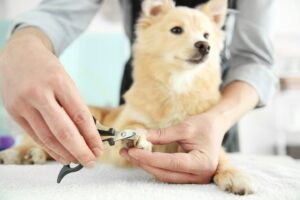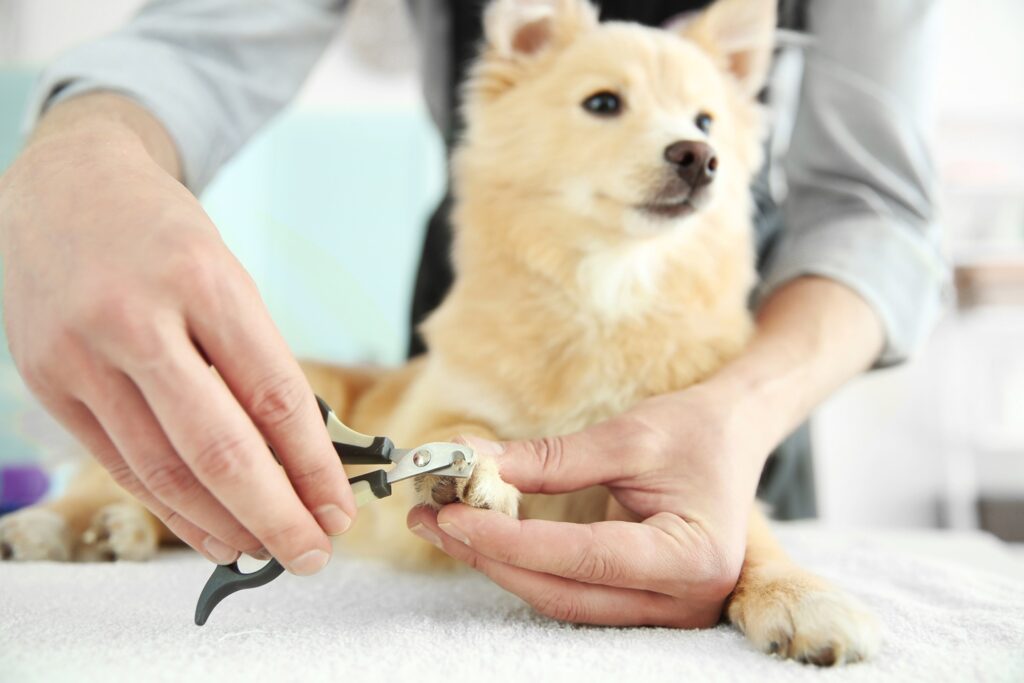
Nail clipping sounds like a small part of pet care. Yet for many pet owners, it can become a full-scale struggle with a nervous pet, a carrier they refuse to enter and a car journey that starts before the actual grooming even begins.
For pets that become stressed by travel or unfamiliar surroundings, there is another option worth considering- home veterinary services. Having veterinary care delivered at home can make certain routine needs more manageable while allowing your pet to remain in a familiar environment.
Key takeaways
- Nail trimming is an important part of routine grooming for many dogs and cats.
- Overgrown nails can affect the way a pet walks and may become uncomfortable if left unattended.
- Some pets become anxious during car journeys, handling or visits to unfamiliar places.
- Home veterinary services can allow certain veterinary assessments and routine care to take place in a familiar setting.
- Nail clipping is not always as simple as it looks, so veterinary guidance can be useful when a pet resists handling.
Why can something as simple as nail clipping become so stressful?
For a pet, nail trimming involves more than having its claws shortened. Someone is holding its paw, manipulating its toes and bringing a clipper close to a sensitive area.
If your pet already dislikes having its feet handled, the experience can quickly turn into a struggle. Travel can add another layer of stress. Your pet may need to,
- Be coaxed into a carrier or restrained for the journey.
- Travel through unfamiliar surroundings.
- Wait in an unfamiliar environment.
- Be handled when already anxious.
This is why the challenge may not actually be the nail clipping itself. The journey and unfamiliar environment can sometimes be the hardest part.
Could nail clipping be easier if your pet stayed at home?
For some pets, staying in their own surroundings may make routine handling more manageable.
With home veterinary services, veterinary care can be provided at home, depending on the service required and the pet’s individual circumstances. A familiar room, familiar smells and the presence of people they know may help reduce some of the changes associated with travelling to a clinic.
However, every pet responds differently. A calm home environment does not automatically mean every pet will tolerate nail trimming. The veterinarian can also assess whether your pet’s nails simply need routine trimming or whether there is another reason for discomfort or resistance.
What should you know before attempting to clip your pet’s nails?
It can be tempting to think, “They only need a quick trim.” But rushing the process can make future handling more difficult.
A few practical points to remember,
- Avoid forcing a frightened pet through repeated attempts.
- Become familiar with how your pet normally reacts when its paws are touched.
- Use equipment appropriate for your pet rather than improvised tools.
- Avoid cutting too far into the nail, as this can cause pain and bleeding.
- If your pet becomes highly distressed or difficult to restrain safely, stop and seek veterinary advice.
Regular, calm handling of the paws from an early age may also help pets become more comfortable with routine nail care.
How do you know when your pet’s nails may need attention?
There is no single timetable that suits every pet. Nail growth and wear can vary depending on factors such as activity, lifestyle and the surfaces your pet regularly walks on. You may notice,
- Nails visibly extending beyond the paw.
- Nails clicking against hard flooring.
- Changes in the way your pet places its feet.
- Difficulty walking comfortably.
- A nail catching on carpets or other surfaces.
If you are unsure whether your pet’s nails are too long, a veterinarian can assess them and advise whether trimming is appropriate.
Is home veterinary care only about avoiding a car journey?
Not necessarily. The broader benefit of home veterinary services is that veterinary care can sometimes be provided in an environment where the pet is already familiar with its surroundings.
This can be particularly relevant for pets that become unsettled by travelling, have difficulty entering carriers or become anxious in unfamiliar environments. However, not every veterinary procedure is suitable for a home setting. Some conditions may require equipment, diagnostics or treatment available at a veterinary clinic.
The right setting therefore depends on what your pet needs, rather than simply where the appointment is most convenient.
FAQs
How often should I clip my pet’s nails?
There is no universal schedule. Nail growth varies between individual pets, so regular observation and veterinary advice can help determine when trimming is needed.
What if my pet refuses to let me touch its paws?
Do not force the process if your pet becomes frightened or aggressive. A veterinarian can assess the situation and advise on safer ways to approach nail care.
Can all pets have their nails clipped at home?
Not necessarily. Whether nail clipping can be safely performed at home depends on the pet, its behaviour, health and the circumstances. A veterinarian can determine whether home care is appropriate.
Are home veterinary services suitable for every veterinary problem?
No. Some conditions require clinic-based equipment, diagnostics or treatment. Home veterinary care may be suitable for selected consultations and routine needs, depending on the veterinarian’s assessment.
What should I do if my pet’s nail is already damaged or bleeding?
Avoid repeatedly handling the injured area and seek veterinary advice, particularly if there is ongoing bleeding, swelling, pain or a noticeable change in your pet’s behaviour.
Could veterinary care come to your pet instead?
Sometimes, the hardest part of caring for a pet is simply getting them out of the house.
If travelling for a routine veterinary need is becoming stressful for you and your pet, home veterinary services in Singapore may be an option worth discussing. Visiting Vets provides veterinary care at home, where appropriate, with the team assessing your pet and advising on the care needed.
If your pet needs a nail check, routine care or a veterinary assessment, contact Visiting Vets to arrange a consultation and discuss whether a home visit is suitable for your pet.