Spaying or neutering is a common surgical procedure for dogs and cats, but what happens after your pet comes home deserves just as much attention as the operation itself. Your pet may seem sleepy, restless or unusually quiet, and it can be difficult to tell whether these changes are part of normal recovery.
Knowing how to manage the first few days, protect the surgical wound and recognise warning signs can help you care for your pet while they heal.
Key Takeaways
- Rest and restricted activity help protect the surgical wound while it heals.
- Dogs and cats may need different levels of supervision depending on their temperament and the procedure performed.
- Preventing licking, biting or scratching at the incision is an important part of post-operative care.
- Appetite, energy levels and the appearance of the wound should be monitored during recovery.
- Contact your veterinarian if symptoms worsen or your pet shows signs of pain, infection or other complications.
Why Can Pets Seem Different After Surgery?
After spaying or neutering, your pet may be sleepy, less active or slightly unsettled as the effects of anaesthesia wear off. Some pets may also have a reduced appetite initially.
These changes should generally improve as recovery progresses. However, the procedure and the individual animal both influence how recovery unfolds.
Spaying in female dogs and cats usually involves abdominal surgery, while neutering in males typically involves surgery around the testicles. The location and extent of the incision, your pet’s age, general health, and the veterinarian’s instructions all affect aftercare.
Do not assume every change is simply a reaction to surgery. Persistent vomiting, difficulty breathing, marked weakness or worsening discomfort warrants prompt veterinary attention.
How Can You Make the First Few Days at Home Easier?
Your pet may not understand why their usual activities are suddenly restricted. A dog might try to jump onto the sofa, while a cat may attempt to climb furniture or leap onto a windowsill.
The challenge is to keep them comfortable without allowing too much movement. A few practical steps can help,
- Prepare a quiet resting area- Choose a clean, comfortable space away from excessive noise and household activity.
- Limit jumping and running- Follow your veterinarian’s instructions on exercise restrictions. Avoid rough play, climbing and activities that could strain the incision.
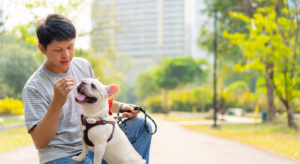
- Supervise outdoor trips- Keep dogs on a lead for toilet breaks rather than allowing unrestricted running.
- Separate pets if necessary- Other animals may encourage play or lick the surgical wound. Temporary separation can help prevent this.
- Follow feeding instructions- Offer food and water as directed by your veterinarian, particularly during the initial recovery period.
If your pet is unusually energetic, do not interpret this as proof that the wound has healed. Internal tissues may still be recovering even when your pet appears comfortable.
What Should You Do About Licking or Chewing the Wound?
Pets naturally investigate unfamiliar sensations, and an incision may tempt them to lick or chew the area.
However, repeated licking can irritate the wound and increase the risk of infection or delayed healing. A surgical recovery collar or an appropriate protective garment may be recommended to prevent access to the incision.
Check the wound as advised by your veterinarian. Mild bruising or slight swelling may occur, but increasing redness, significant swelling, discharge, an unpleasant smell or an opening in the incision should not be ignored.
Avoid applying creams, antiseptics or home remedies unless your veterinarian has specifically recommended them. Keep the wound dry and follow the instructions provided at discharge.
When Should You Contact a Veterinarian?
Although many pets recover without major complications, it is important to recognise when professional assessment is needed. Contact your veterinarian promptly if you notice,
- Increasing redness, swelling, bleeding or discharge around the incision.
- Persistent vomiting or diarrhoea.
- Refusal to eat that continues beyond the period your veterinarian indicated was expected.
- Difficulty urinating or passing stools.
- Ongoing discomfort, unusual agitation or worsening lethargy.
You should seek urgent veterinary care if your pet has difficulty breathing, collapses, experiences significant bleeding or becomes extremely weak.
Never give human painkillers to your pet unless specifically directed by a veterinarian. Some medications intended for people can be toxic to dogs and cats.
Frequently Asked Questions
How long does pet spay and neuter recovery take?
Recovery varies depending on the animal, the procedure and whether complications occur. Many pets need around 10–14 days of restricted activity, although the appropriate period depends on the veterinarian’s assessment and instructions.
Can my pet be left alone after surgery?
Your pet should be supervised closely during the initial recovery period, particularly while the effects of anaesthesia are wearing off. Ask your veterinarian when it is appropriate to leave your pet alone and for how long.
Should my pet wear a recovery collar all the time?
If a recovery collar has been recommended, it should generally remain in place as instructed to prevent licking or chewing. Ask your veterinarian before removing it, even if the incision appears to be healing well.
Is swelling around the incision normal?
Some mild swelling or bruising may occur after surgery. However, increasing swelling, pronounced redness, discharge or an opening in the wound requires veterinary assessment.
When can my pet return to normal activities?
Your pet should resume running, jumping, playing and other unrestricted activities only when your veterinarian advises that it is appropriate. Appearing energetic does not necessarily mean the surgical site has fully healed.
Schedule a Consultation to Learn And Help Your Pet Through Recovery
A smooth recovery depends on more than the operation itself. Providing a calm environment, limiting activity, protecting the incision and following veterinary instructions can help your pet recover while reducing the risk of avoidable complications.
If your pet has recently undergone surgery or you are unsure whether their recovery is progressing as expected, contact The Visiting Vets Clinic to discuss the appropriate next steps with Dr. Stefanie Yim. A veterinary assessment can help determine whether your pet’s symptoms are consistent with recovery or require further attention.